pretty can’t do this part
the kind of beauty that doesn’t survive the fire

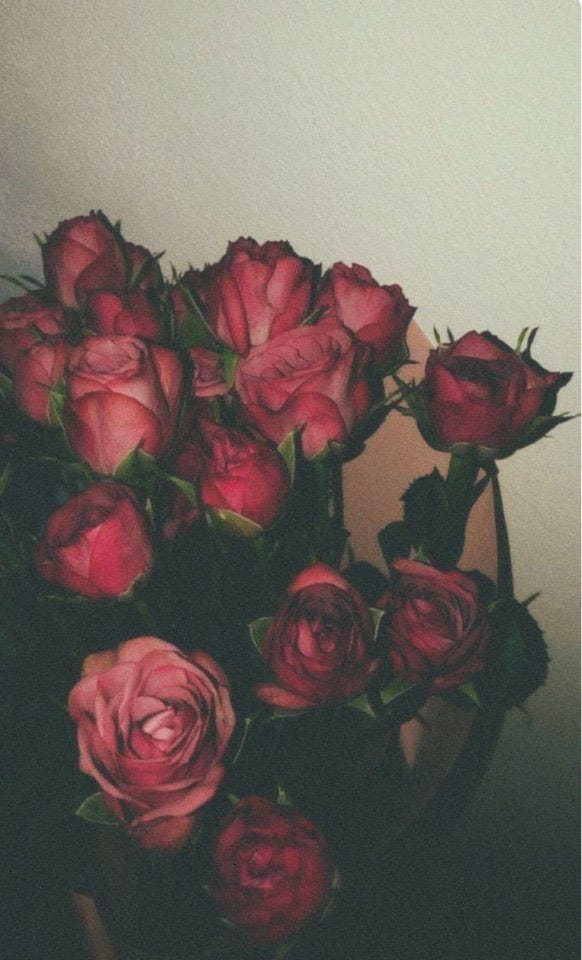
“pretty will open doors for you. it will not tell you what to do once you’re inside.”
That’s the part no one says plainly.
We’re raised, quietly and consistently, to understand that beauty is currency. Not always named as such, but demonstrated. Who gets attention. Who gets chosen. Who’s forgiven more quickly. Who’s given the benefit of the doubt. Who’s seen. Who’s remembered. Who’s invited in. Who’s the favorite.
And if you happen to be a woman who fits, even loosely, within what this country has decided is beautiful—symmetry, height, body, presentation—you don’t need a formal education in this. You learn it by moving through the world.
I learned it early.
I was the tall girl before I understood what that meant. Six feet without shoes, taller with them, which meant I was never allowed the invisibility that many children rely on while they’re still becoming. People noticed. Adults commented. Strangers asked questions as if my body were public information. Do you play basketball? Do you model? It was always something to be explained, something to be accounted for.
And then, layered onto that, there was attractiveness—the kind that fits within a familiar script. The kind that draws attention in rooms you didn’t ask to be centered in. The kind that makes people decide things about you before you’ve spoken.
I say this plainly because there’s no virtue in pretending otherwise. Beauty, as defined by the culture we’re in, does afford certain advantages. Doors do open. Conversations do begin more easily. You’re, in many cases, received differently.
But what’s not discussed with equal clarity is how little that matters when life becomes real.
the education beauty cannot provide
There’s a version of womanhood that’s marketed to us, especially in the last decade, that collapses life into aesthetic and access. Be beautiful. Be desired. Be chosen. Align yourself with a certain kind of man, a certain kind of lifestyle, a certain kind of ease. There are entire ecosystems built around this idea—language like “soft life,” “high value,” “leveling up”—all orbiting, in some way, around how a woman looks and what that appearance can secure.
It’s not entirely false. But it’s dangerously incomplete.
Because beauty can position you. It cannot sustain you.
Beauty can introduce you. It cannot anchor you.
Beauty can attract attention. It cannot build a life.
And the moment you confuse access with substance, you begin to build on something that cannot hold weight.
I’ve lived long enough, and closely enough to real suffering, to know that what carries you through this life has very little to do with how you’re perceived on your best day.
the body will not always obey
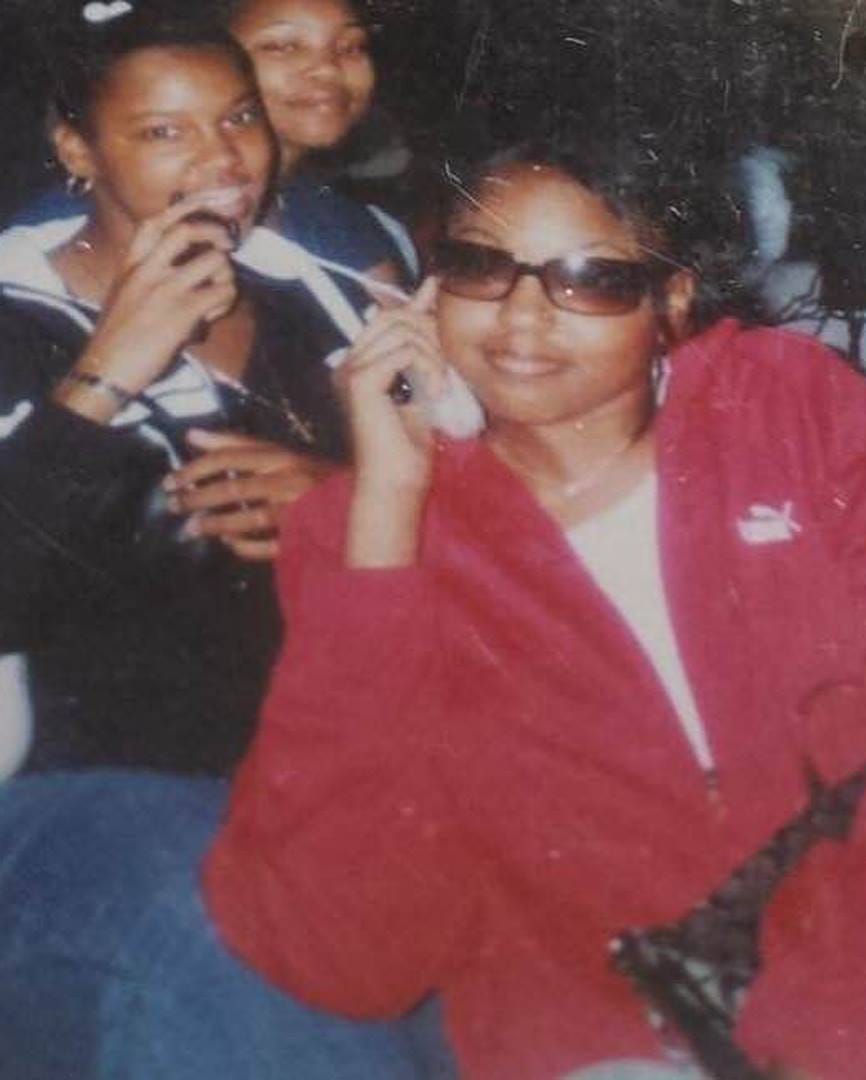
My best friend Jasmin died at thirty.
There’s no graceful way to say that. No way to soften it into something more palatable. She was here, and then she was not, and the space she left behind is not theoretical. It’s lived.
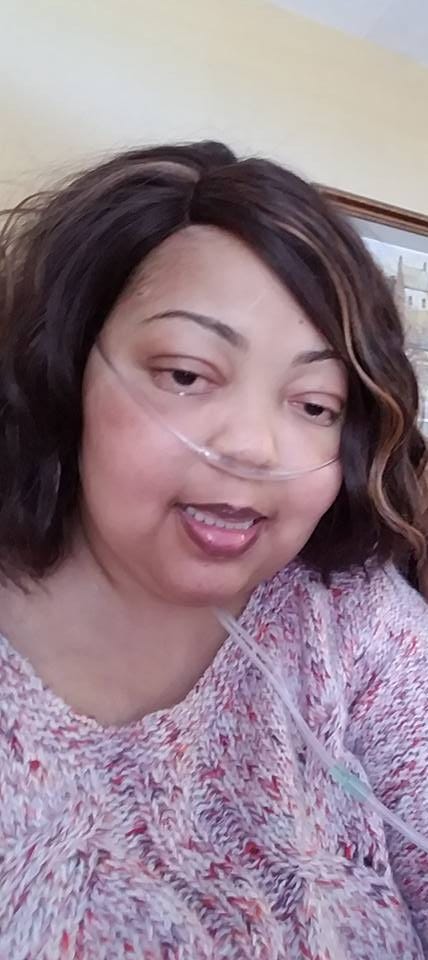
But before she died, there was a long, devastating process of illness. Lupus, a disease that doesn’t ask permission before it rearranges a life. I watched her body become something she didn’t recognize.
She lost her hair. Not gradually, not in a way that could be styled or disguised. It left her.
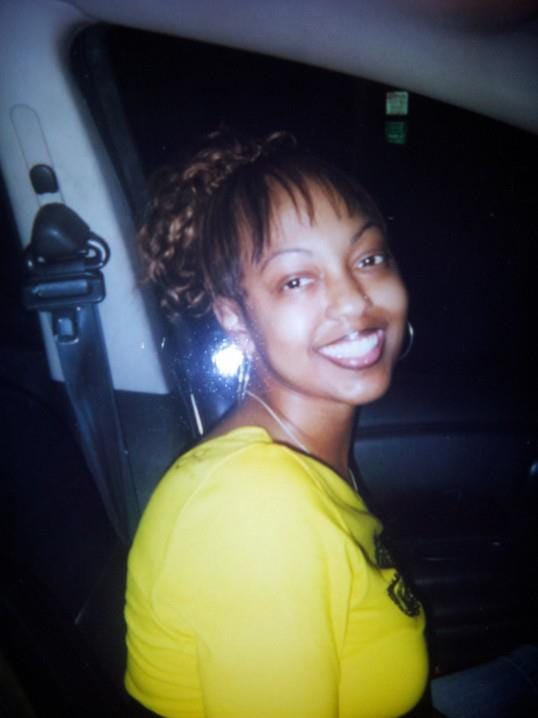
She lost her teeth. Her smile, which had once been easy and full, became something she had to navigate, something she had to endure being seen without.
Her fingers bent in ways that did not make sense to the eye. As if something external had come in and decided to reshape them without her consent.
Her veins collapsed from repeated hospitalizations. Her ability to walk deteriorated.
This was not a distant story. This was my friend. Sixteen years of knowing someone, of growing alongside them, of understanding their humor, their rhythms, their particular way of being in the world—and then watching their body betray them.
Beauty did not intervene.
Beauty did not negotiate.
Beauty did not restore what was being taken.
And yet, what remained of her—her spirit, her presence, her essence—those things became more visible, not less. There is a clarity that comes when the external is stripped away. A forced honesty about what’s actually there.
And what I saw, in those final years, was that the things we’re taught to prioritize are not the things that endure.
what actually holds
When you sit close enough to suffering, certain illusions become impossible to maintain.
You begin to understand, with a precision that’s almost uncomfortable, what actually holds a life together.
Character holds.
Integrity holds.
The ability to regulate your emotions, to make decisions under pressure, to remain anchored when everything external is unstable—those things hold.
Faith holds, in a way that’s difficult to articulate to people who have not had to rely on it.
The fruits of the Spirit—gentleness, patience, self-control, kindness, love—those are not abstract virtues. They’re survival tools. They’re what allow you to move through grief without becoming consumed by it, to encounter difficulty without becoming hardened beyond recognition.
None of these things are visible in the way beauty is.
None of them can be captured in a photograph or curated into a feed.
But they’re the difference between a life that can withstand pressure and one that collapses under it.
the social performance of beauty
We’re living in a time where beauty isn’t only valued, it’s performed. Documented, edited, filtered, and distributed at a scale that previous generations didn’t have to contend with.
Social media has created an environment where appearance isn’t just a trait—it’s a project. A continuous one. Something to be maintained, optimized, compared.
And comparison, as it has always been, is a thief. But now it’s a relentless one.
You can wake up and, within minutes, be exposed to hundreds of images of women who appear to be living better, looking better, doing more, achieving more. Even if you’re grounded, even if you’re self-aware, the volume of that input isn’t neutral. It requires discernment to navigate.
I’ve been fortunate in that comparison wasn’t something that took root deeply in me. I grew up with a sense of self that wasn’t entirely dependent on external validation. But even then, I’m aware of how my presence has been received by others.
There’s a particular kind of tension that comes with being perceived as beautiful. It’s not all advantage. It’s also projection. It’s also assumption. It’s also, at times, isolation.
People decide who you are before you speak. They measure themselves against you, sometimes in ways that have nothing to do with you. There can be intimidation, resentment, distance.
And if you’re not careful, you can begin to internalize a version of yourself that’s constructed by other people’s reactions rather than your own understanding.
That’s another kind of trap.
the limits of being chosen
There’s also a narrative, often unspoken but deeply embedded, that beauty will lead to being chosen. By men, by opportunities, by life itself.
And again, there’s some truth in that. Certain doors are easier to access when you’re perceived a certain way.
But being chosen isn’t the same as being sustained.
You can be chosen and still be deeply unhappy.
You can be chosen and still be unprepared.
You can be chosen and still lack the internal infrastructure required to maintain what you’ve been given.
This is where many women find themselves disoriented. They’ve done what they were told would work. They’ve cultivated their appearance. They’ve aligned themselves with the right aesthetics, the right environments, the right associations.
And yet, something is still missing.
Because no one told them that what matters most cannot be seen at first glance.
the work that cannot be delegated
There’s a level of work that every person must do that cannot be outsourced, cannot be bypassed, cannot be substituted with proximity to someone else’s success.
You have to learn yourself.
You have to confront your patterns, your wounds, your tendencies.
You have to develop discipline—not as punishment, but as structure. As a way of creating stability in your own life.
You have to cultivate wisdom, which is not the same as intelligence. Wisdom is applied knowledge. It’s knowing what to do, when to do it, and why.
You have to become emotionally literate. Able to name what you feel, to understand where it comes from, to respond rather than react.
None of this is glamorous.
None of it is immediately rewarded in the way beauty is.
But it is what determines the quality of your life over time.
a spiritual reckoning
At some point, if you’re paying attention, there’s a shift.
You begin to ask different questions.
Not how do I look? but who am I becoming?
Not what can I get? but what am I building?
Not who is choosing me? but what am I aligned with?
For me, that shift was not abstract. It was grounded in faith. Not in a performative sense, not in a way that required public display, but in a deeply personal reorientation. The wilderness.
I read the Bible in its entirety. Not as obligation, but as inquiry. And what I found there was not a manual for aesthetics or social positioning. It was a framework for character. For conduct. For the internal life.
There’s a consistent emphasis on the heart, on intention, on obedience, on the quiet, unseen aspects of a person.
That alignment changed how I evaluated everything else.
Beauty didn’t disappear as a factor. It simply lost its centrality.
what remains
If everything external were stripped away—appearance, status, access—what would remain?
That’s not a hypothetical question. It’s one that life, eventually, asks in one form or another.
Illness asks it.
Loss asks it.
Time asks it.
Grief asks it.
Transformation asks it.
And when it is asked, the answer is not what you have curated, but what you have cultivated.
Who you are when there’s nothing to perform.
Who you are when there’s no audience.
Who you are when what you relied on externally is no longer available.
That is the measure.
a different standard
To say that pretty means nothing is not to deny its existence or its impact. It is to reassign its importance.
It is to place it where it belongs—on the surface.
And to recognize that what’s beneath the surface is what determines everything else.
A woman who is beautiful and grounded is different from a woman who is beautiful and unanchored.
A woman who is beautiful and disciplined moves differently than one who is beautiful and directionless.
The difference is not in what you can see immediately. It’s in what reveals itself over time.
when the mirror is no longer the measure
There’s a kind of beauty that doesn’t survive the fire. It’s dependent on conditions, on health, on time, on maintenance. It can be altered, diminished, or removed.
And then there is another kind.
Quieter. Less immediately visible. But far more enduring.
It’s built in the decisions you make when no one is watching. In the way you treat people when there’s nothing to gain. In the discipline you apply to your own life. In the faith you hold when circumstances don’t cooperate.
That beauty doesn’t announce itself.
It reveals itself.
And when everything else is gone, it’s the only thing that remains. xo.
"Beauty can position you. It cannot sustain you." That's the line that cuts through everything this culture has been selling.
The part about Jasmin stopped me. Sixteen years of knowing someone, and then watching the body betray them — and what you described seeing in those final years, the things that became more visible when the external was stripped away. That's not a comfort or a silver lining. That's just the truth of what actually holds.
I've been doing my own version of asking different questions lately. Not who is choosing me, but what am I actually building. It's a slower, quieter kind of work. Nobody applauds it. But it's the only kind that seems to go anywhere real.
Incredible 👌 You're a great writer and philosopher.